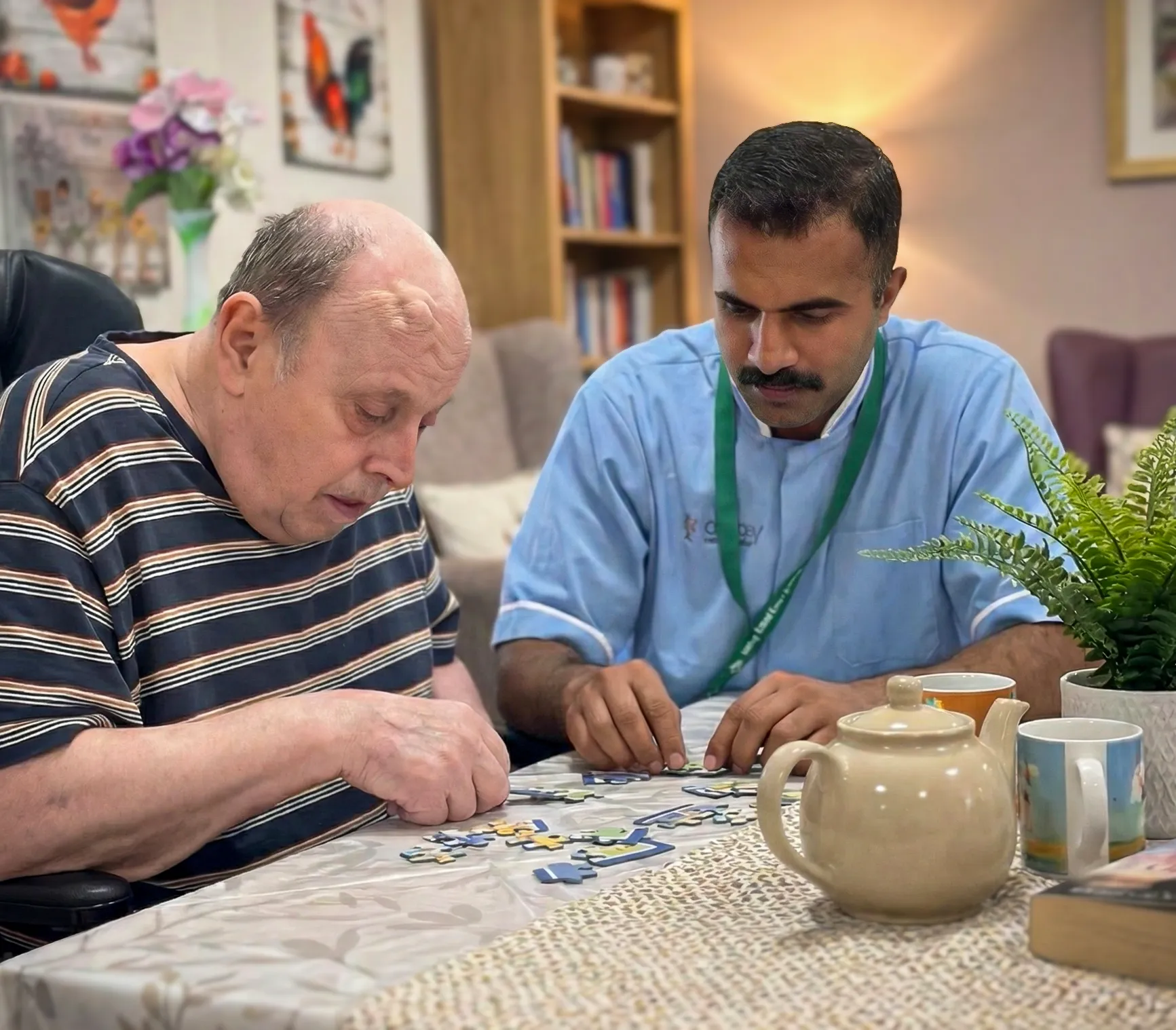
When looking for care options for an aging relative, the terms "residential care" and "nursing care" are frequently used. While they sound similar, they represent two completely different levels of support. Nursing care is specifically structured for individuals who require 24-hour clinical monitoring and medical intervention from registered nurses.
Recognising when a loved one's requirements have transitioned from personal support to clinical care is essential for ensuring their safety, health, and comfort.
1. 24-Hour Clinical Monitoring and Care
Nursing homes are staffed by registered nurses (RNs) and trained care assistants. This enables the home to manage complex health conditions that require medical oversight. Common nursing care needs include:
- Wound and Skin Care: Treating complex surgical wounds or pressure ulcers under clinical supervision.
- Medical Equipment Administration: Managing feeding tubes (PEG tubes), intravenous (IV) drips, oxygen therapy, or catheters.
- Complex Medication Regimens: Administering regular injections (such as insulin) or monitoring medications that require regular clinical tests.
Nursing care bridges the gap between home-based support and hospital wards, offering professional clinical treatment in a warm, homely environment.
2. Key Differences: Residential vs. Nursing Care
To help guide your family's planning, it helps to compare the core characteristics of both pathways:
- Staffing: Residential homes are led by care managers and assistants who help with personal care. Nursing homes must always have at least one registered nurse on duty 24 hours a day.
- Admission Criteria: Nursing homes require a clinical assessment to ensure the home can safely support the resident's medical conditions.
- Living Environment: Both offer social activities and private rooms, but nursing homes feature specialised medical beds, hoisting systems, and clinical layouts to support higher mobility needs.
3. Funding Nursing Care: Understanding FNC and CHC
In the UK, nursing care costs can be offset by NHS funding depending on eligibility:
- NHS Continuing Healthcare (CHC): If the individual has a "primary health need" (highly complex, intense, or unpredictable medical needs), the NHS may fund 100% of their care package. This is non-means-tested.
- Funded Nursing Care (FNC): If a resident does not qualify for CHC but resides in a registered nursing home and requires nursing care, the NHS pays a flat-rate contribution directly to the home to cover registered nursing hours.
